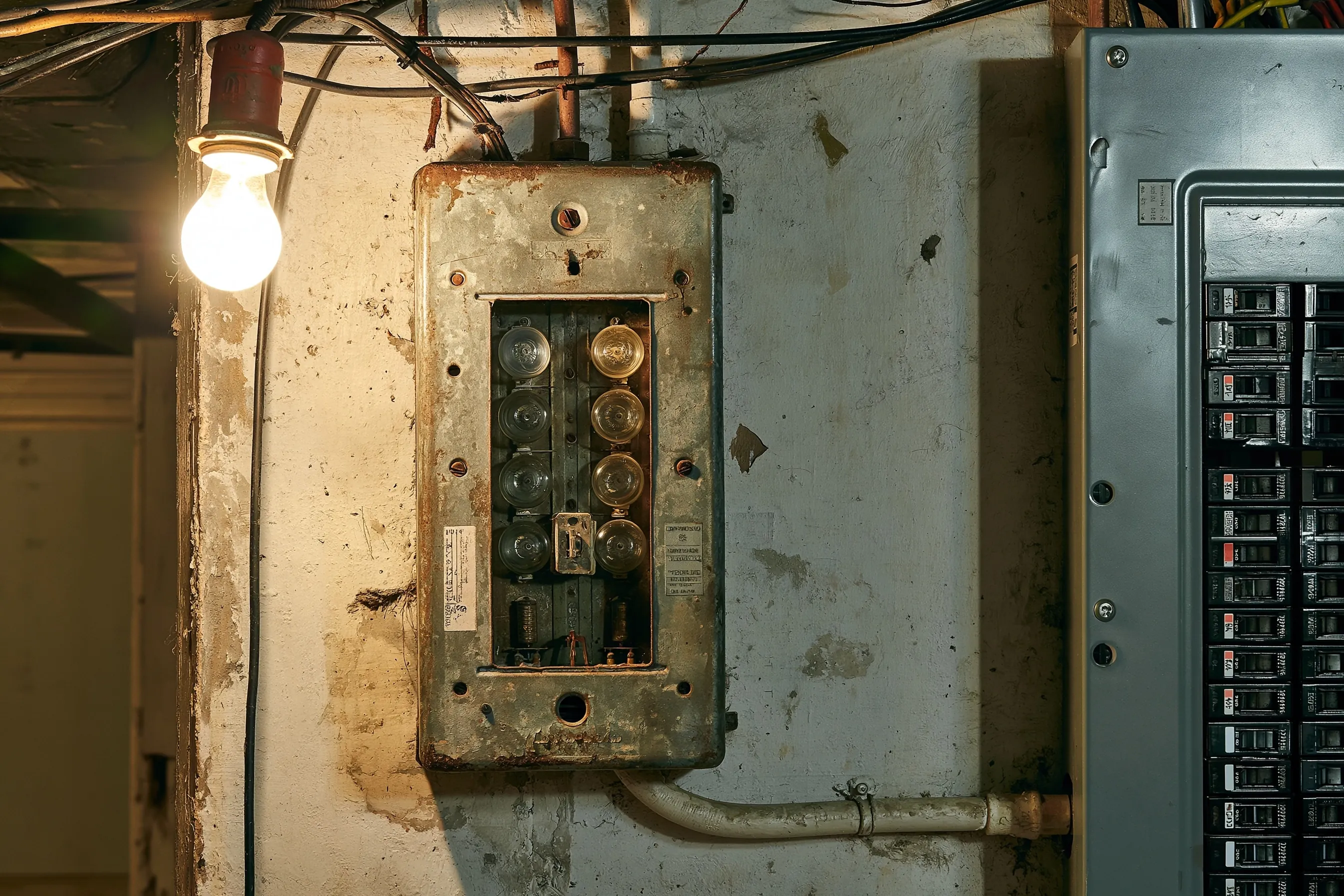
Does a fuse box mean the house has knob and tube?
Not necessarily. Fuse boxes fed knob-and-tube, but they also fed the early cable that replaced it, and plenty of houses got a breaker panel while the old wiring stayed. The box tells you the service equipment is old; tracing the circuits tells you what wiring is behind it.
Can I keep some knob-and-tube circuits on a new breaker panel?
Sometimes. The electrician sizes the breaker for any retained circuit to its wire under the code in force when the permit is issued, and the inspector checks it. If insulation will also go around that wiring, Washington adds stricter conditions, including breaker or Type S fuse protection sized to the 60°C ampacity column of the code table the rule references. Whether keeping a circuit makes sense depends on its condition and on your insurer.
Can we stay in the house while it is rewired?
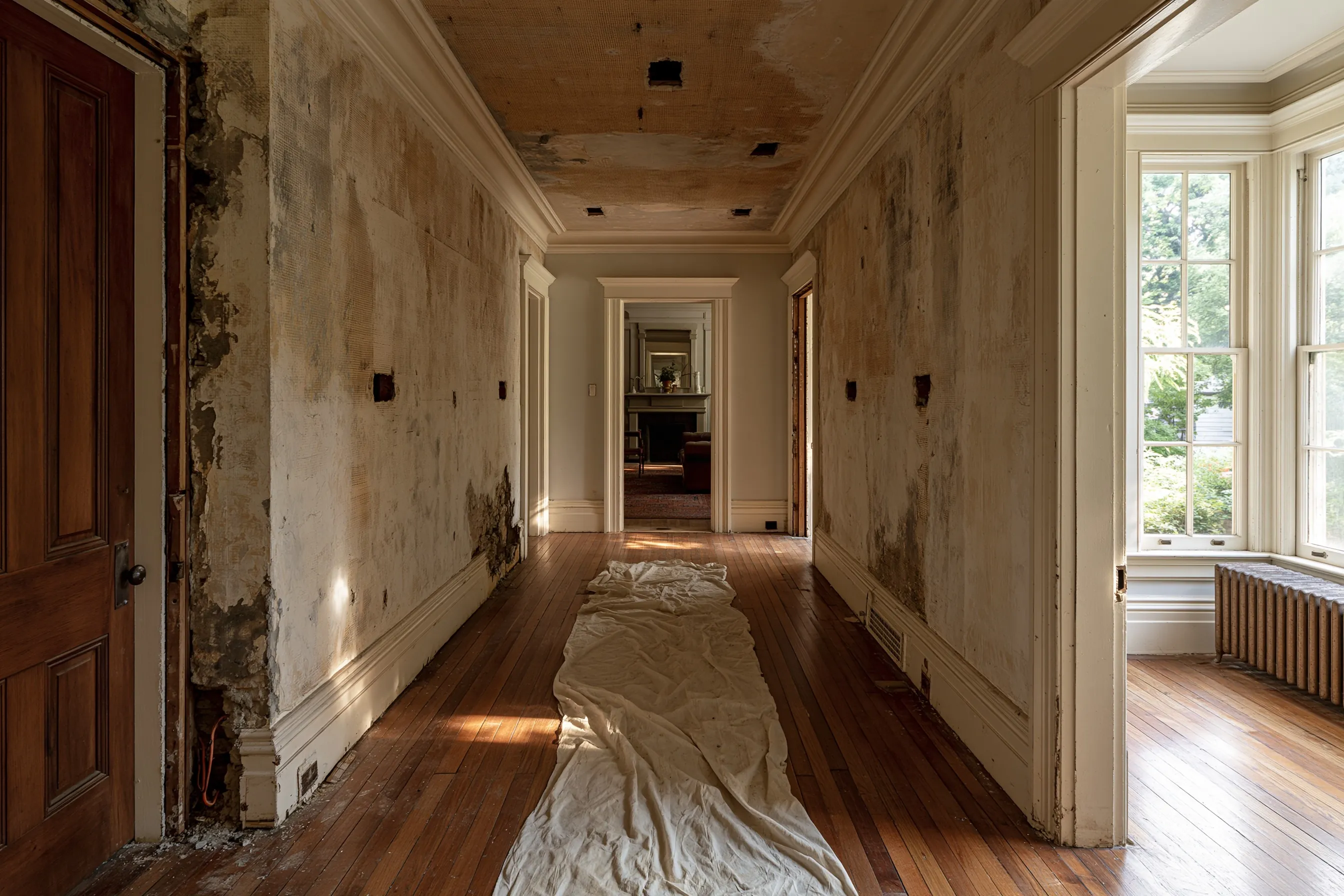
Often, yes, if the work is phased so kitchens, bathrooms and bedrooms are never all out of service together. Expect planned power interruptions, dust from access openings and some rooms cleared for a phase.
Can insulation go over knob and tube?
Only under strict conditions in Washington. A licensed electrical contractor must survey the wiring and certify in writing to L&I that it is in good condition, the insulation must be a Class I material, foam is never allowed, and every circuit needs breaker or Type S fuse protection. Many owners rewire first instead.
How can I tell if knob and tube is still live?
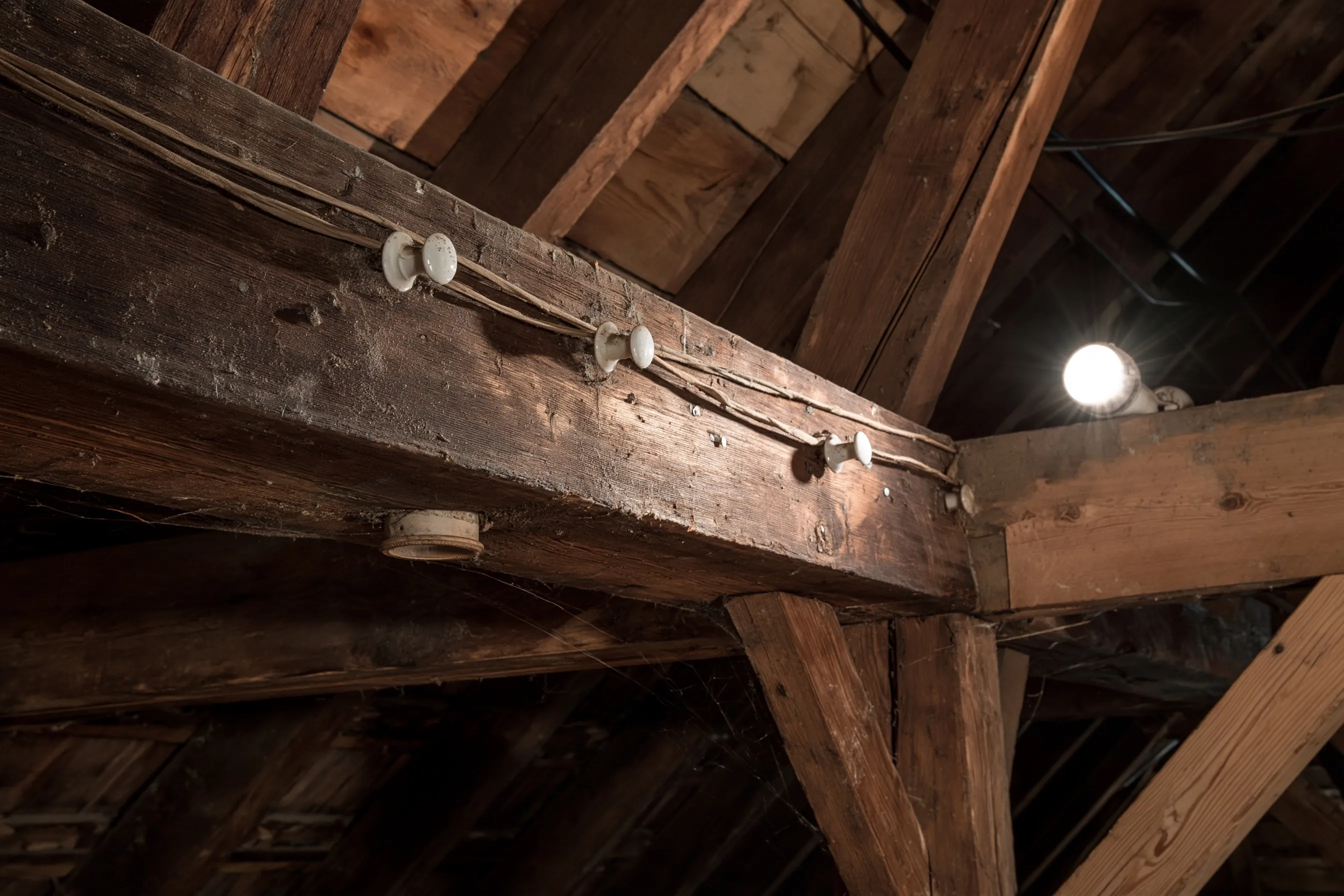
Please do not test it yourself. Old insulation can crumble when handled, and a run that looks abandoned may still be energized from an unexpected splice. Note where you have seen knobs or tubes and let an electrician confirm it with the power controlled.
What affects the cost of removing knob and tube?
The number of circuits, the size and layout of the house, attic and crawlspace access, plaster versus drywall, whether the fuse box or panel changes, how the work is phased, and patching after access openings. We do not publish prices because those factors vary so much from one older house to the next.